2028 Assembly Elections: A Major Challenge for Political Parties, All Eyes on the Muslim Vote
Decisive Force or Divided Vote?
Political Analysis
By Khizar Ahmed Yafai
Editor-in-Chief, Telangana Voice
Although the 2028 Telangana Assembly elections are still more than two years away, major political parties have already begun laying the groundwork for an intense electoral battle. The ruling Congress is striving to retain power, the Bharat Rashtra Samithi (BRS) is looking to reclaim its lost political ground, while the Bharatiya Janata Party (BJP) is preparing to make a serious bid for power in Telangana for the first time.
The Adilabad Assembly constituency is expected to witness heightened political activity in the coming months. Leaders from various parties have already started strengthening their organizational networks and expanding public outreach efforts in anticipation of the upcoming contest.
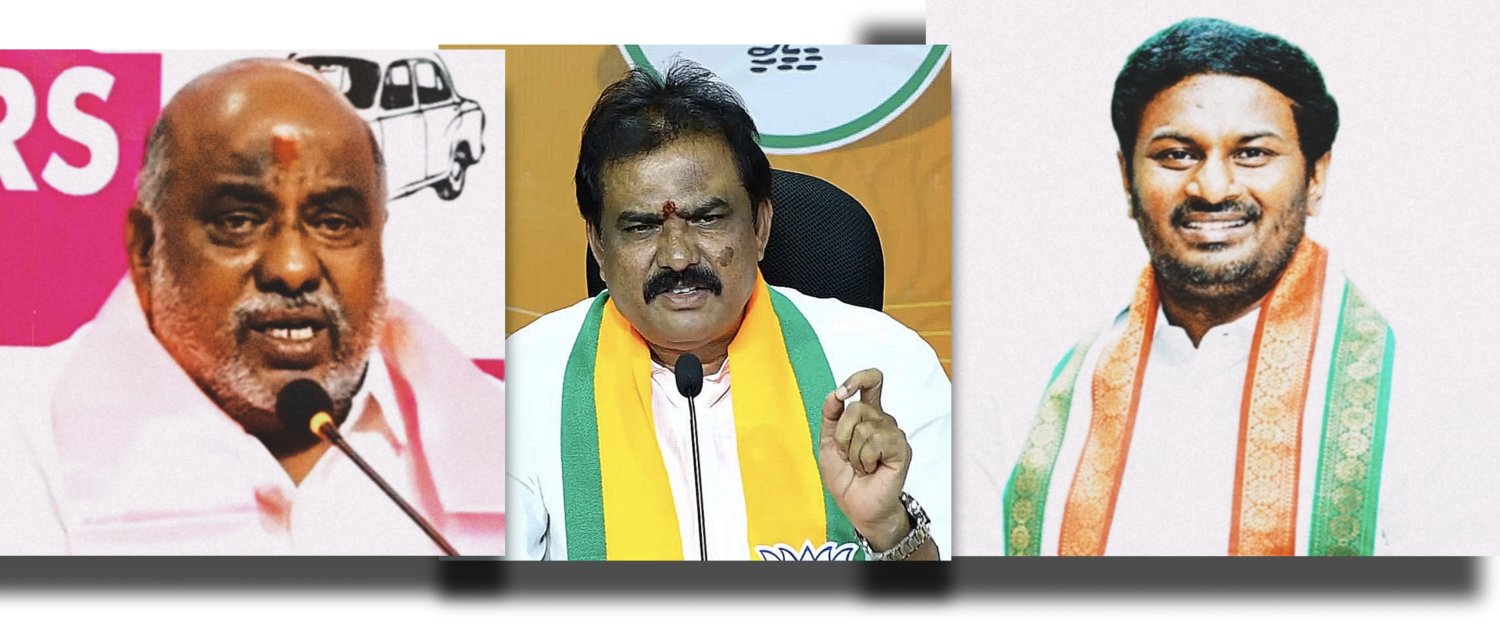
Congress leader Kandi Srinivas Reddy is projecting confidence about his electoral prospects and is widely regarded as an energetic and resourceful political figure. However, critics argue that his previous setbacks were partly due to inadequate engagement with senior leaders, the Muslim community, religious institutions, and the Urdu media, all of which play a significant role in the region’s political landscape.
Meanwhile, sitting MLA Payal Shankar is reportedly preparing for a second consecutive term. Speculation about his possible political realignment has surfaced from time to time, and any major shift in his political future could have significant implications not only for Adilabad but for district politics as a whole.
Former minister Jogu Ramanna has also intensified his political activities ahead of the next election. Having narrowly lost the previous contest, his supporters believe that weak campaign management, reliance on ineffective local leadership, and the division of minority votes contributed to his defeat. While Ramanna is generally perceived as a leader with a friendly approach toward minorities, discussions regarding minority welfare, Urdu language promotion, and media relations during his tenure continue to be debated in political circles.
The Importance of the Muslim Vote
One undeniable reality of Adilabad politics is the significance of the Muslim vote. Electoral trends from previous elections indicate that the direction and distribution of Muslim votes have directly influenced outcomes on several occasions. Consequently, every major political party is expected to intensify efforts to secure minority support as the election approaches.
Political observers believe that if secular votes continue to be divided among multiple parties, the BJP could emerge as a major beneficiary. In such a scenario, political awareness, unity, and strategic thinking among Muslim voters may become more important than ever before.
SIR and Protection of Voter Rights
Another important issue likely to shape the political discourse is the Special Intensive Revision (SIR) of electoral rolls. Community leaders, religious scholars, social activists, and responsible citizens have a crucial role to play in ensuring that every eligible voter remains registered.
The right to vote is the foundation of political representation. If eligible voters are excluded from electoral rolls, their political influence diminishes significantly. Therefore, every family should verify voter registration details, facilitate new voter enrollments, and promptly address any administrative or technical discrepancies.
Learning from the Past
A recurring challenge within the community has been the tendency to focus heavily on internal political debates and criticism during election periods, while other political groups quietly strengthen their organizational structures and voter outreach mechanisms.
At times, certain social and religious organizations have also found themselves at the center of controversies involving political interference, financial interests, or leadership disputes. However, the larger issue extends beyond individuals and revolves around the need for a collective and long-term political strategy.
The 2028 elections should not be viewed solely through the lens of personalities, slogans, or temporary promises. Instead, voters should evaluate political parties based on their commitment to education, employment, minority welfare, Urdu language development, civic infrastructure, political representation, and overall development.
The Real Question
The real question is not which party—Congress, BRS, or BJP—will ultimately emerge victorious. The more important question is how the voters of Adilabad, particularly Muslims, choose to exercise their democratic power.
If minority voters remain organized, informed, and united around clearly defined issues and demands, they can significantly influence electoral outcomes and shape the region’s developmental priorities for the next five years.
The need of the hour is for Adilabad politics to move beyond personality-driven narratives and focus on public welfare, development, accountability, and democratic awareness. After all, a strong democracy is built by informed, responsible, and vigilant voters.
Note: Freedom of expression is a fundamental democratic right. Everyone has the right to agree or disagree with any opinion. However, criticism should always remain within the bounds of civility, ethics, and respectful discourse.